







Understanding the Needs of Children from Ages 1–6
Children are precious. Their chubby little hands, high pitched squeals, cute but frustrating tantrums, all of it comes as a pleasant duty for the parents. Although raising children can be challenging, it comes with its own set of rewards that no parent can be ungrateful for. But there is something of great importance that every parent must understand; children are still learning. They come into this world knowing nothing and their entire world is their parents. If we want to live up to their expectations of being their worlds, we have to understand what they need because a child’s plea for attention is the only language they know, until they learn ours.

Ages 1–2: Sensory Exploration and Emotional Dependence
During this period, the child is still learning what is around them. They feed their curiosity by utilizing their 5 senses. Parents should feed this curiosity with toys, presence, talking, and safe exploration. They begin walking by the first year and speak their first words like “mama” and “dada.” Their emotional language consists of crying, tantrums, and loud laughter. A child at this age, depends entirely on their guardians for emotional regulation. Since their vocabulary is limited, they express themselves wholly by touch. It is important that the parent reciprocate this unconditionally. Boundaries are incomprehensible at this stage because the prefrontal cortex (part of the brain that is responsible for self-control and impulses) is still under development, so bear with them with empathy and patience because they truly do not understand why you’re taking away that small thing they found under the sofa which required from them a necessary taste-test. The most essential need of children at this age, at any age for that matter, is unconditional and unwavering love with presence.

Ages 2–3: Language Growth and Early Emotional Awareness
Vocabulary explodes. Language blooms. And with them, the tantrums grow more eloquent. Physical outbursts decrease, replaced by new words they learn every day. What began as phrases, turns into sentences. They understand more; gestures, simple questions or requests, and are able to identify things with guidance (red ball, small cat). They become more active, demanding never-ending playtime, but along with this, they also begin to understand boundaries. This new understanding must be fostered with empathy, they must realize that their wants and needs are valid, but cannot be granted to them at this moment

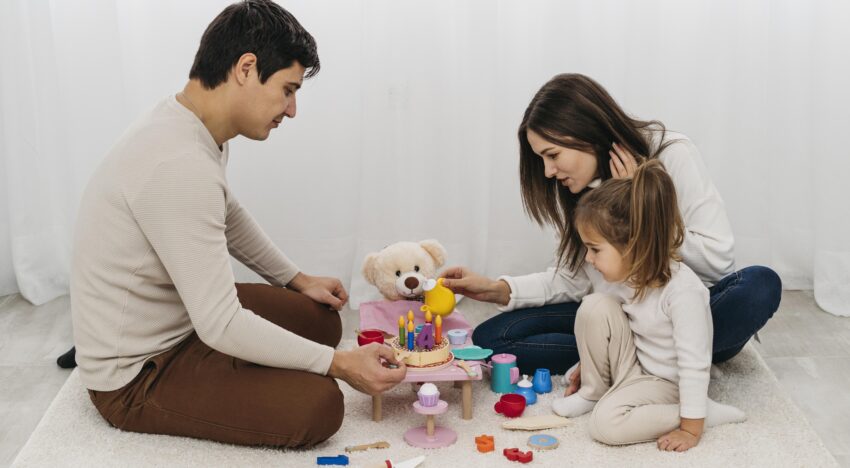
Validating their feelings helps them understand themselves and nurture their awareness During their playtimes, they learn to delay gratification, like taking turns, and they empathize more with others. Pretend play becomes their go-to source of entertainment which boosts their imagination, vocabulary and creativity. During these years, the child still needs their parent, but they’re learning to stand on their own feet.
Ages 3–4: Curiosity, Questions, and Growing Independence
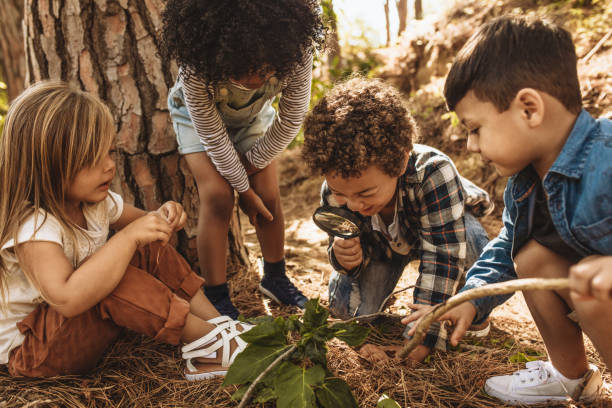
Ages 3-4: A child by this age shows small signs of autonomy. They grow more curious, trying new things with expressive interest, asking questions to understand the world around them because awareness is spreading its roots across their little minds. It is necessary to answer their questions with interest of your own to validate their feelings and feed their curiosity. Such children grow up to be explorative, curious, affectionate, empathetic and caring because they know that love exists everywhere, if their parents, the center of their world loved them, they see love everywhere
They are able to understand lessons and morals, but they should be taught with empathy not strictness. At this age, the child can start to distract itself from things which implies that their minds are able to process emotions more readily, but if they’re dealt with strictness, children can lean towards unhealthy distractions. Their language skills at this point are much more polished and they can form full fledged sentences with or without assistance
Ages 4–6: Developing Self-Regulation and Social Skills
Ages 4-6: By now they will start to show remarkable progress with self-regulation because of greater awareness of self and others. They develop their own calming methods, voice their needs more freely because of their strengthening vocabulary, and may solve minor conflicts among peers. They subconsciously anticipate consequences of their actions and are on their way to become more inquisitive. Curiosity grows naturally, but it walks alongside learned boundaries. Room reading and mood reading develops in them through studying of role models. Their personality undergoes development as well. It is necessary to point out here that children are still driven more by instinct than reason or thinking, meaning that they are not always aware of what they’re doing because of which it is wrong to punish children strictly. As iterated before, empathy is the way to go. They must be taught about right and wrong with calm presence and without the looming threat of punishment. Children scare easily because they trust everyone, but if their fear is greater than their trust, it can have long lasting effects on their personality.
Why Empathy Matters in Early Childhood Development
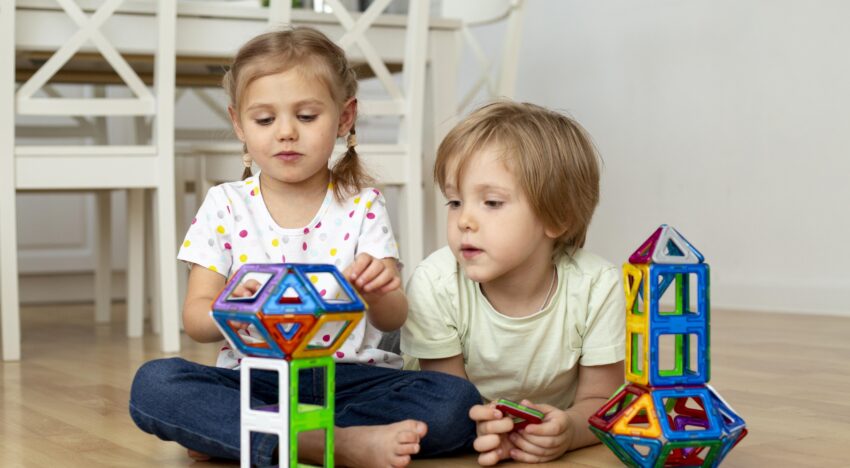
Every parent loves their children, but what matters is that the child knows they’re loved. It is easy to provide for them and call it love and care, but love is only shown through consistency and presence. A child only knows how to feel, and in that, they invest everything. A child shouldn’t be taught what to think, they should be taught how to think for themselves
Final Thoughts: Raising Emotionally Healthy Children
Children do not ask for perfection; they ask for presence, patience, and love. In their small worlds, every word, every reaction, and every moment shared with a parent shapes how they see themselves and the world around them. As they grow from curious toddlers into more aware little individuals, their needs evolve, but one thing remains constant — the need to feel safe, understood, and valued. When we choose empathy over anger and guidance over control, we are not just raising children, we are nurturing confident, compassionate human beings.